When was the last time your mom had someone to really talk to? Who wasn’t rushing to cook, tidy, or remember her pills?
You know loneliness is hard if you care for an elderly parent. This is seen in their extended pauses, mealtime stillness, and how their voice brightens when someone visits.
This blog is for you and for them. Because Pittsburgh elders need companionship beyond “nice to have.” Their mental, emotional, and physical health depend on it.
Why it matters more than most people realize and what aid is available for your family.
What Is Senior Companionship?
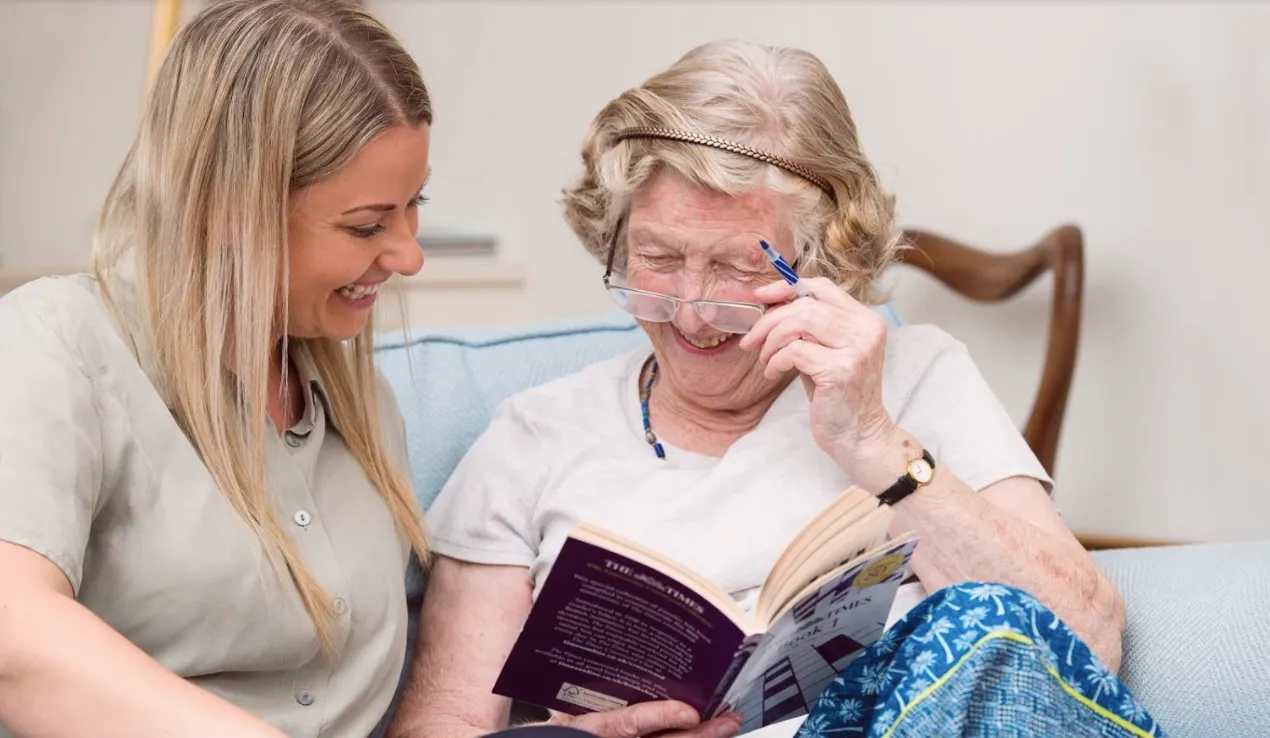
Senior companionship goes beyond sitting together. Spend time with someone who listens, talks, laughs, and encourages your parent.
In Pittsburgh, companionship for seniors can include:
- Light conversation and storytelling
- Playing games or reading together
- Going for short walks
- Help with hobbies or puzzles
- Accompaniment to appointments or social outings
- Checking in on emotional wellbeing and safety
It’s non-medical, in-home support focused on what’s often forgotten: human connection.
Why It’s Not Just About Company
You might think: “I’m with them every day. They’re not alone.”
But here’s the truth: your presence doesn’t replace meaningful interaction. And seniors often hide their loneliness so they don’t “burden” you.
The CDC says loneliness in older adults can lead to serious health risks, such as:
- Depression and anxiety
- Memory decline and dementia
- Heart disease
- Increased risk of stroke
- Weakened immune system
When you set up in-home companion care in Pittsburgh, you’re also helping your parent feel happier. You’re also helping them stay healthier for a longer time.

Common Signs Your Parent May Need Companion Support
- They repeat the same stories or questions
- They’ve lost interest in old hobbies
- They avoid social events they once loved
- They eat less or skip meals entirely
- They say “I’m fine” when you ask—but you feel something’s off
You’ve carried this long enough. Let someone step in.
Professional vs DIY Companionship
You might think a neighbour or family friend can fill the gap. And sometimes, they can.
But professional companion care services offer more consistent, trained, and sensitive support. Here’s the difference:
| DIY Support | Professional Companion Care |
| Infrequent and often rushed | Regular, scheduled visits |
| Often limited to conversation | Includes activities, outings, reminders |
| No training in senior mental health | Trained in emotional support for seniors |
| No backup if unavailable | Always a plan in place |
You wouldn’t leave safety to chance—don’t leave emotional wellness to luck either.
Choosing the Right Companion Program in Pittsburgh
Many trusted agencies offer elder socialisation services and interactive caregiving for seniors. Local providers include:
- Visiting Angels companion care
- Comfort Keepers companion care
- Right at Home companionship
- Touching Hearts at Home
- Seniors Helping Seniors companionship
- Reliable Home Health companionship services
Ask about:
- Caregiver background checks and training
- Personalised activity planning
- Emergency backup plans
- Clear communication with families
Expert Tip
The National Institute on Aging says that social interaction can reduce dementia risk. It also helps delay cognitive decline. Even 1–2 visits a week can create a real impact.
Where to Start: Steps for Getting Help
- Talk to your parent – Ask open questions like “Would you enjoy having someone to chat or walk with during the week?”
- Write down their habits – This helps the companion understand routines, hobbies, and triggers.
- Pick the right provider. Search for options that offer emotional support for seniors in Pittsburgh. Check their reviews to ensure clarity.
- Start small – One visit per week can help build comfort and trust.
Final Thoughts: Connection Is Care
Your parent may not tell you they’re lonely. But they feel it. And you see it. Don’t worry alone.
Pittsburgh seniors discover comfort, joy, and belonging in company. Knowing someone is there when you can’t provides you peace of mind.
Need assistance starting? Explore your alternatives with a reliable service like Reliable Home Health. Because connection isn’t optional. It’s essential.
FAQs in Simple Answers
How does companionship support mental health in seniors?
The company of others decreases loneliness and anxiety. It boosts memory and mood. This happens through conversation, engagement, and personal connection.
What types of companion care are available in Pittsburgh?
Adult day programs, volunteer socializing, and in-home companion visits are available. Options depend on your needs and budget.
How does companion care reduce isolation in older adults?
We promote socialization through shared activities, chats, and emotional check-ins.